
Return to the Harpy Eagle nest
We were on our way to visit the active Harpy Eagle nest in Vista Hermosa, Meta, for the first time in July of this year, a place that had been completely inaccessible for years due to the control of illegal armed groups and the constant war that had desolated this region of eastern Colombia. Today, the situation is completely different, and as a result, places with great potential that were previously off-limits to the general public have been discovered.
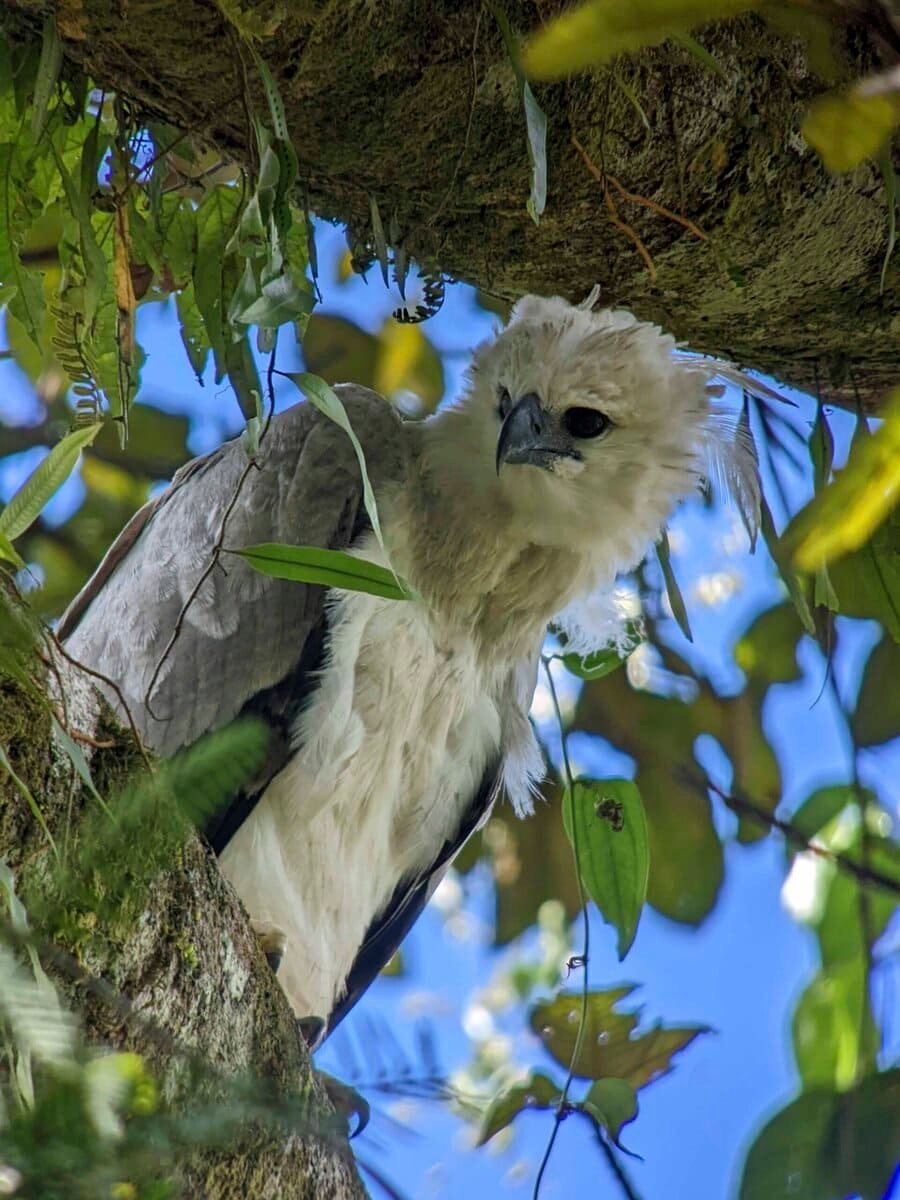
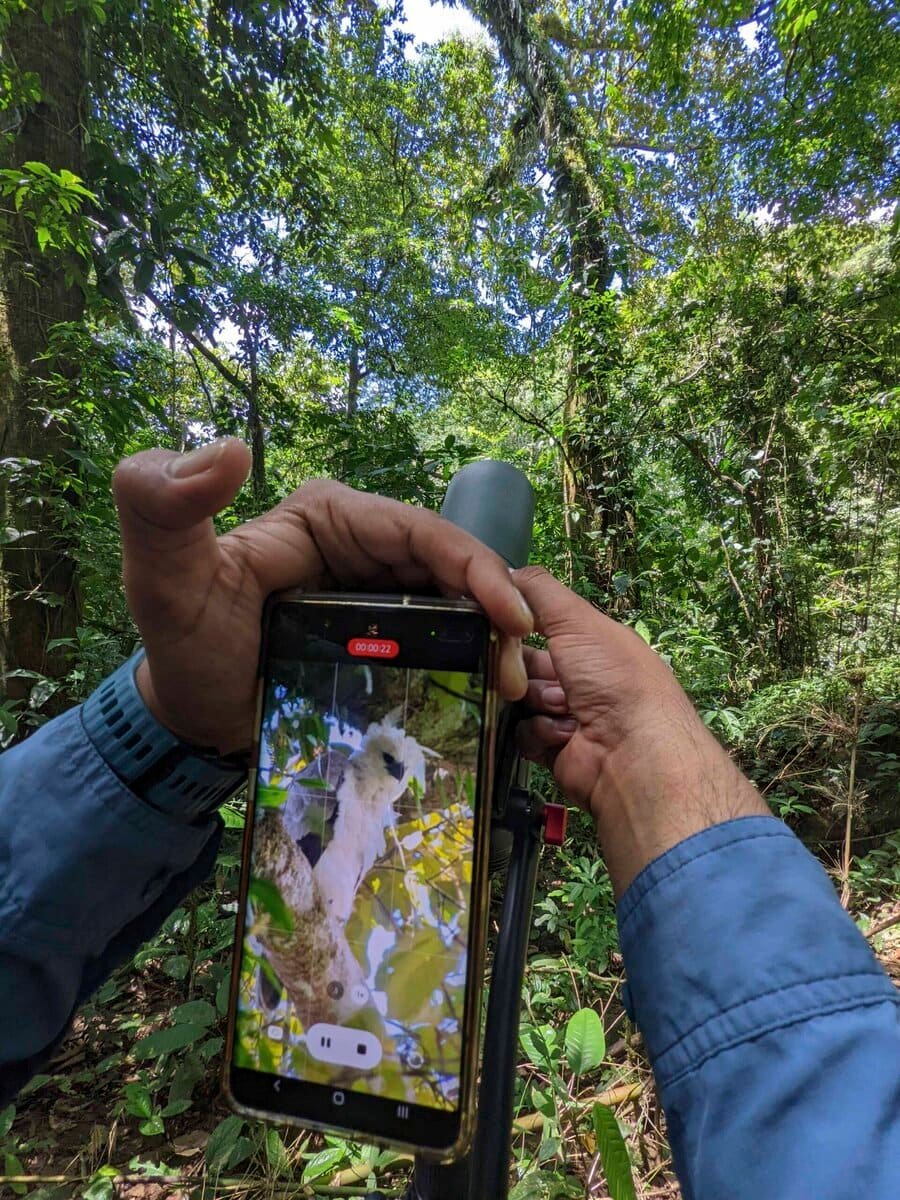
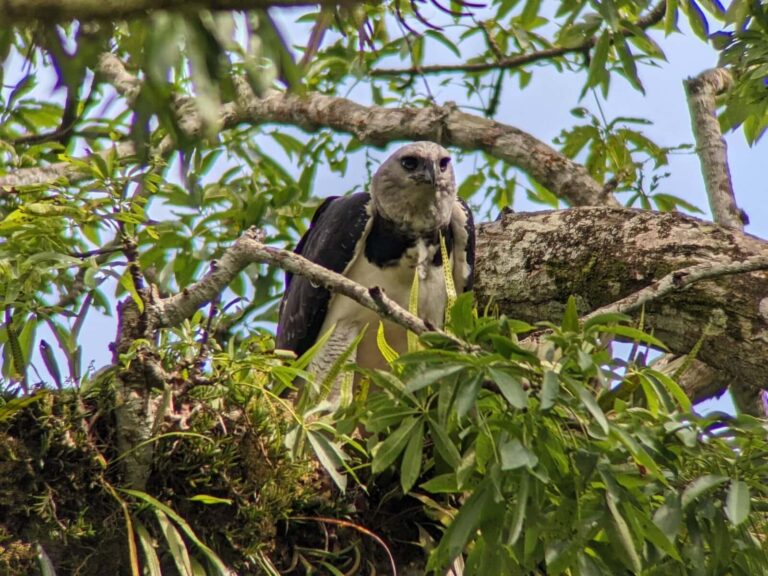
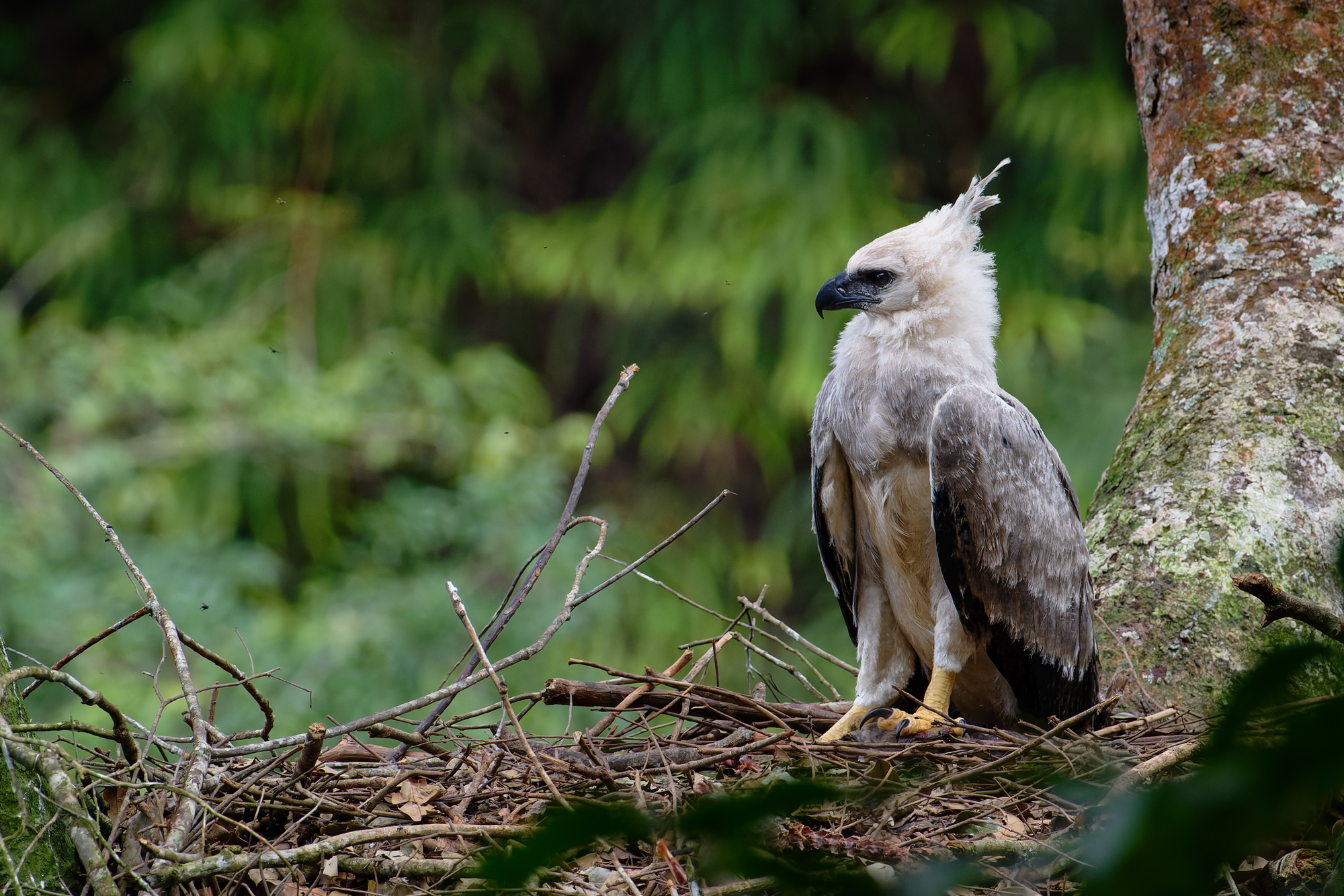
We were fortunate to witness the visit of the father of “Morocha,” the young harpy eagle that has been the object of study and care in the recently established harpy eagle reserve, which is only the first step in a larger scale project to protect the habitat of this species and many others that inhabit these Amazonian foothills jungles.
As a harpy eagle grows, its parents’ visits become less frequent, but at the same time, the juvenile, who is kept a short distance from the nest where it was born, grows into a large specimen with all of its parents’ characteristics, and seeing it is already a wonderful experience.
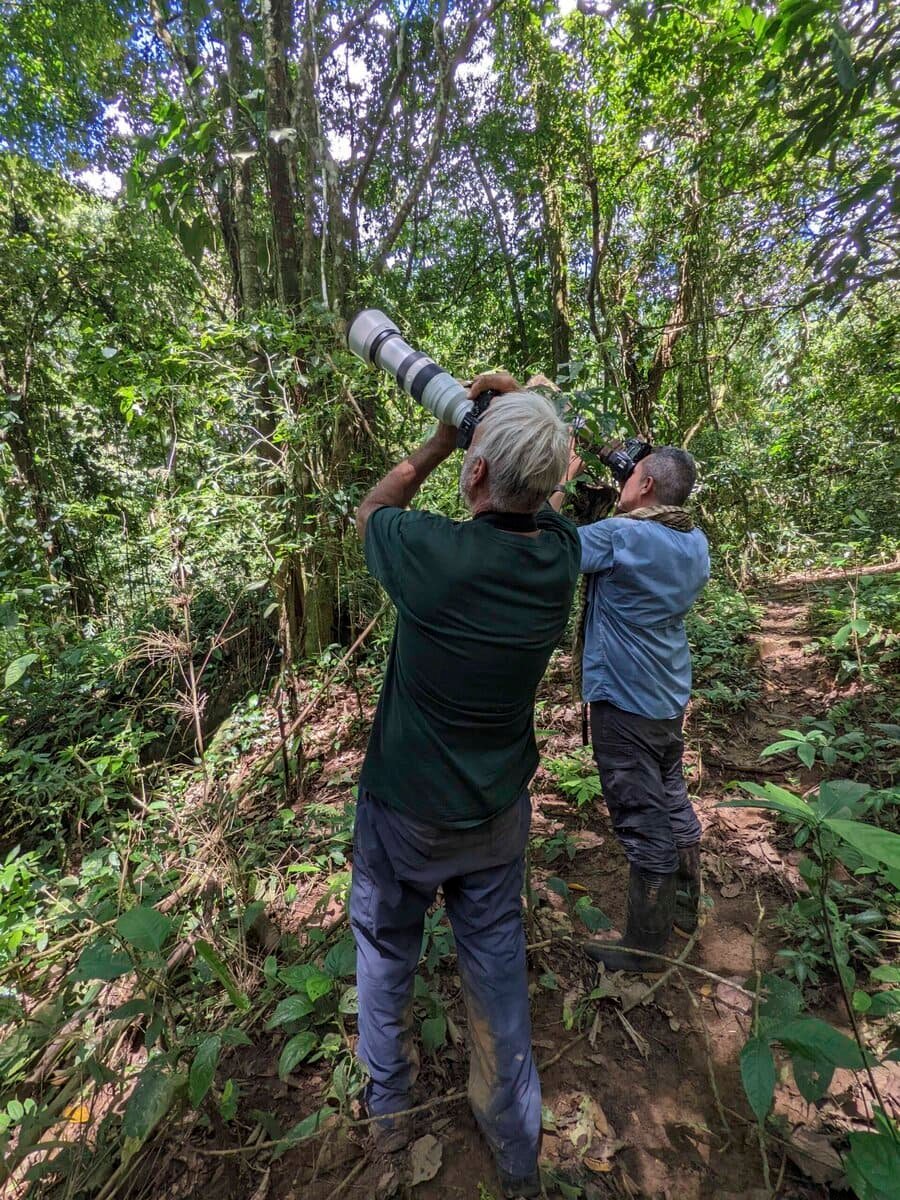
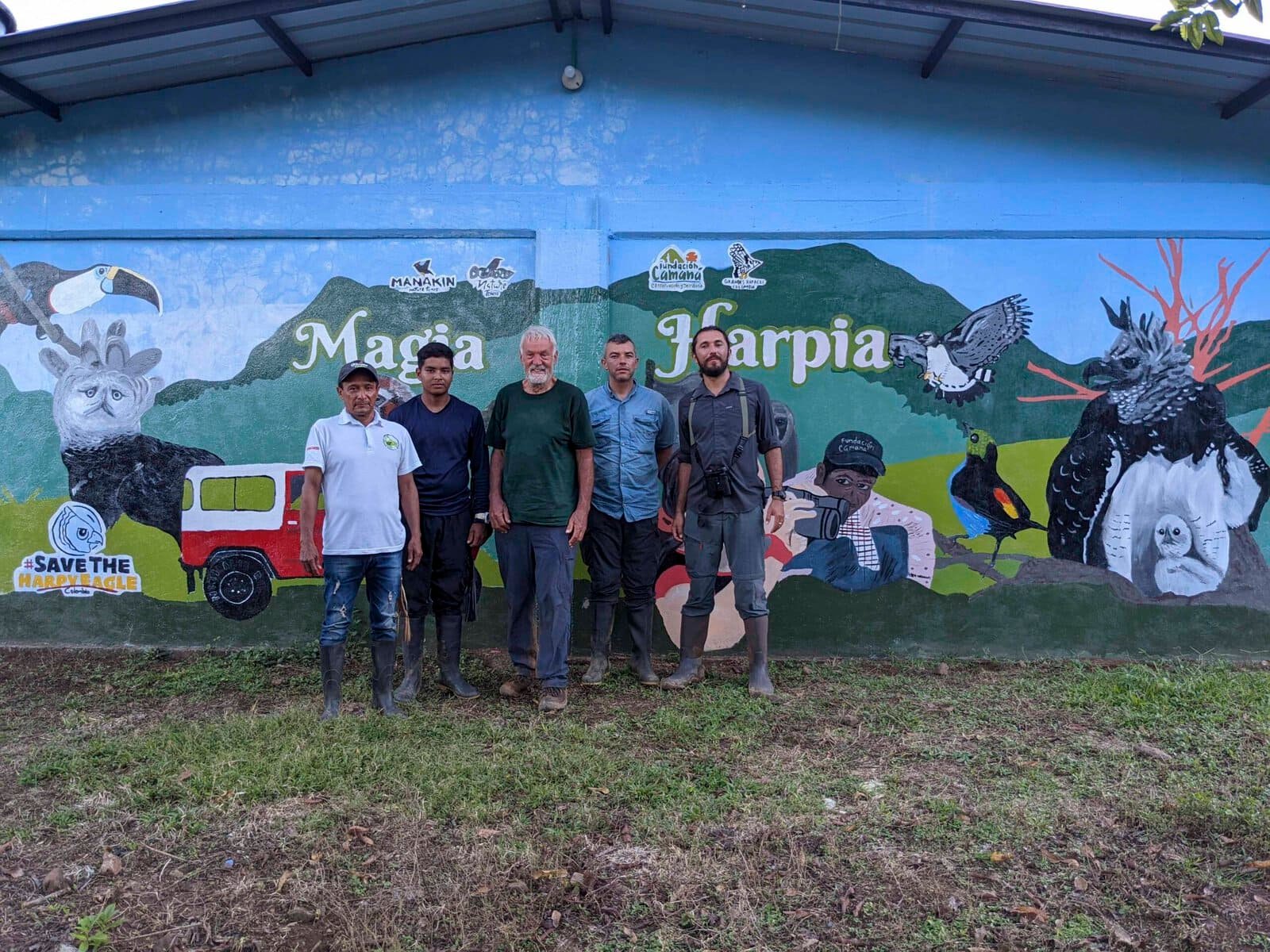
After two months, it was time to return, this time with Peter Hobbs, who, on his fifth trip to Colombia, decided this time to get to know this bird that had been elusive on previous trips to other neotropical sites.
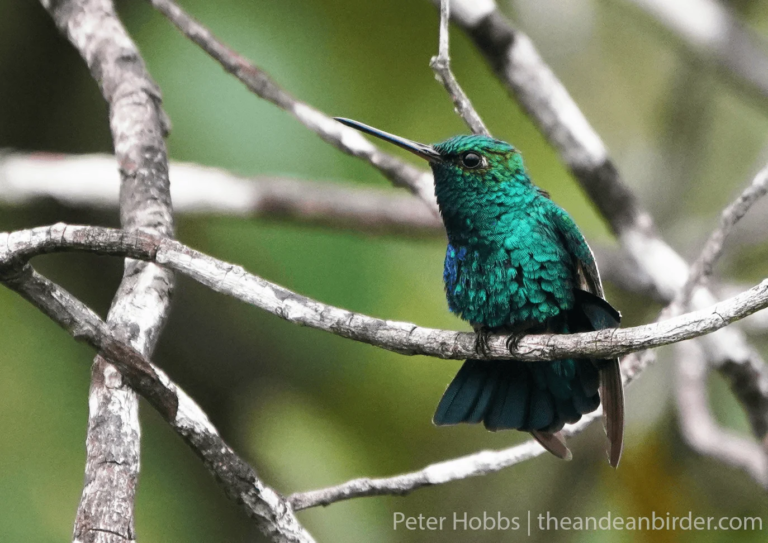
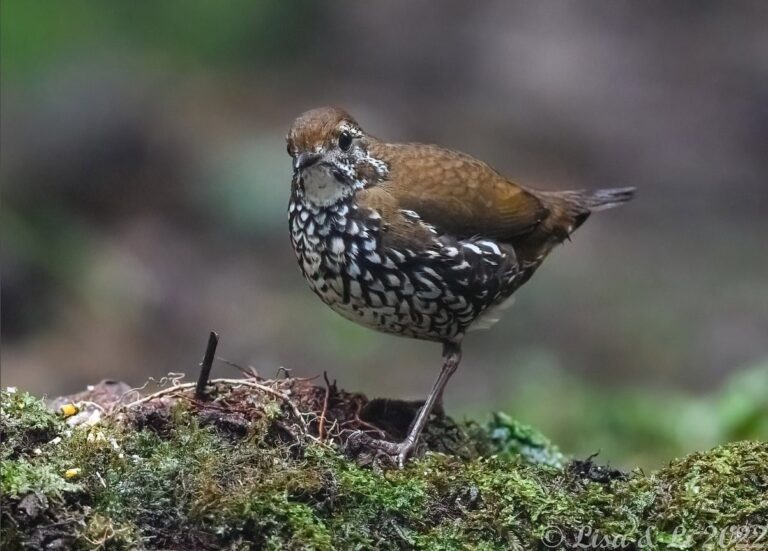
The trip opener was in charge of the Sumapaz National Natural Park south of the city of Bogotá, where we were able to enjoy several of the site’s specialties: Green-bearded Helmetcrest (endemic), Tawny Antpitta (Northern), Chestnut-winged Cinclodes, Many-striped Canastero, White-chinned Thistletail, Apolinar’s Wren (endemic), and Bronze-tailed Thornbill among others.

Then we drove to Vista Hermosa, where we spent two days stalking the harpy eagle’s nest, waiting for the adult father, who is now in charge of feeding his daughter, who is beginning to resemble her mother.
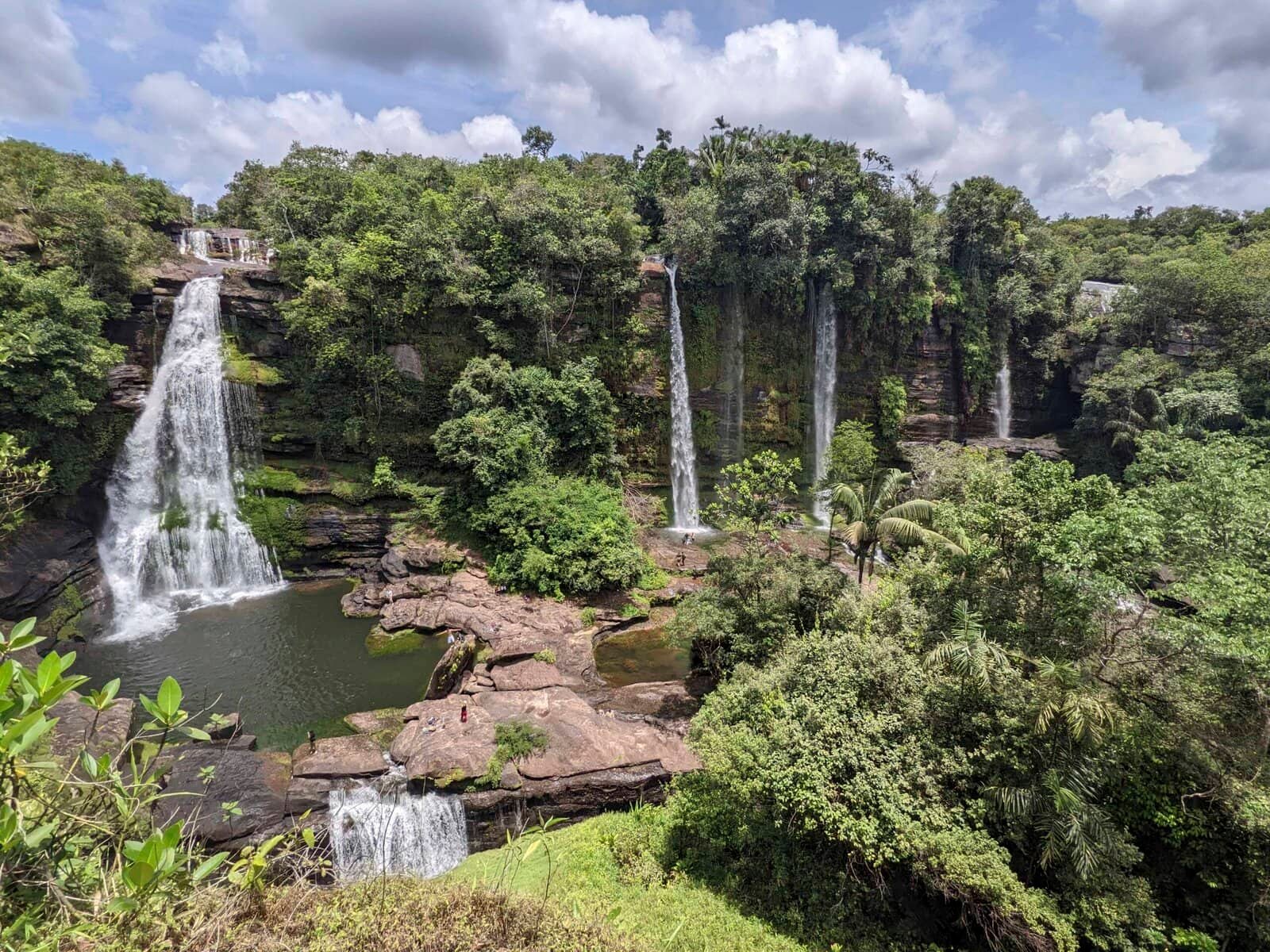
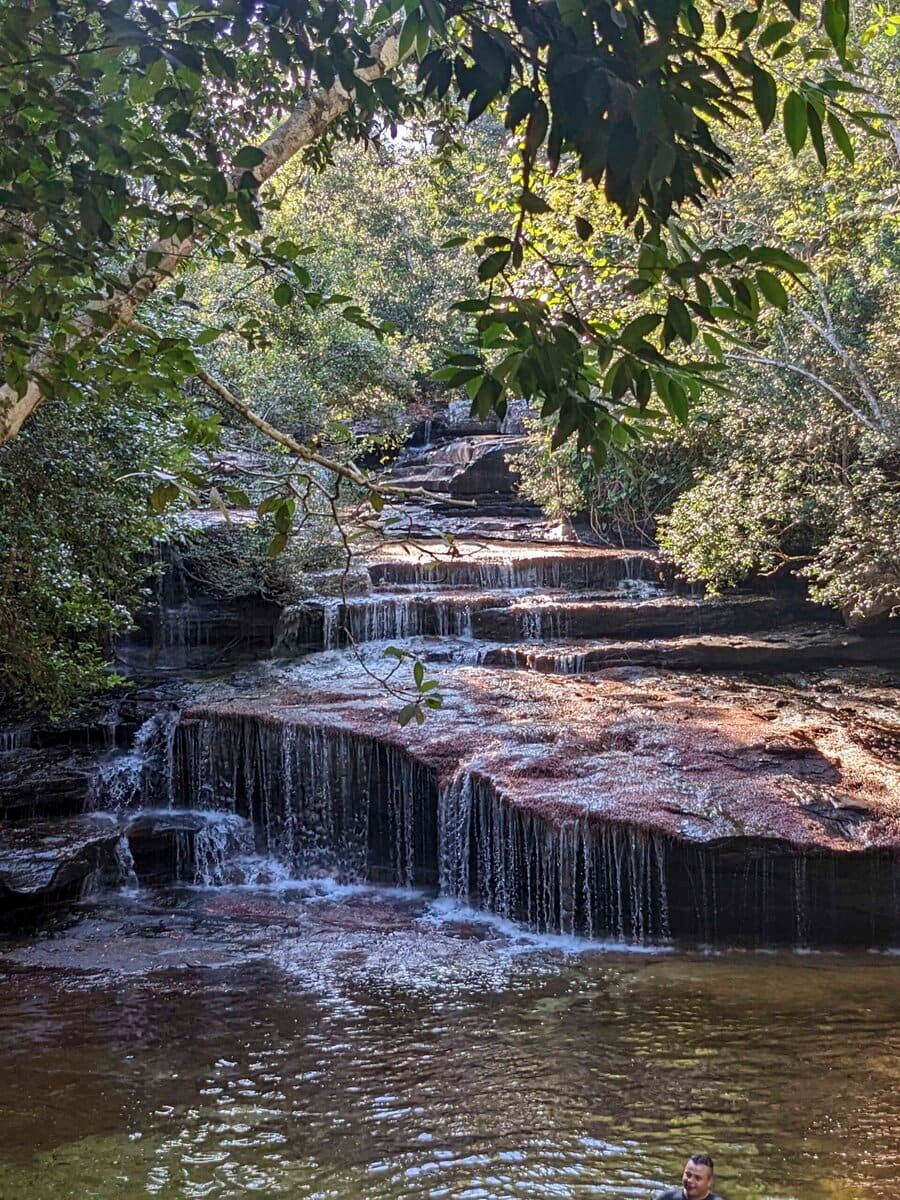
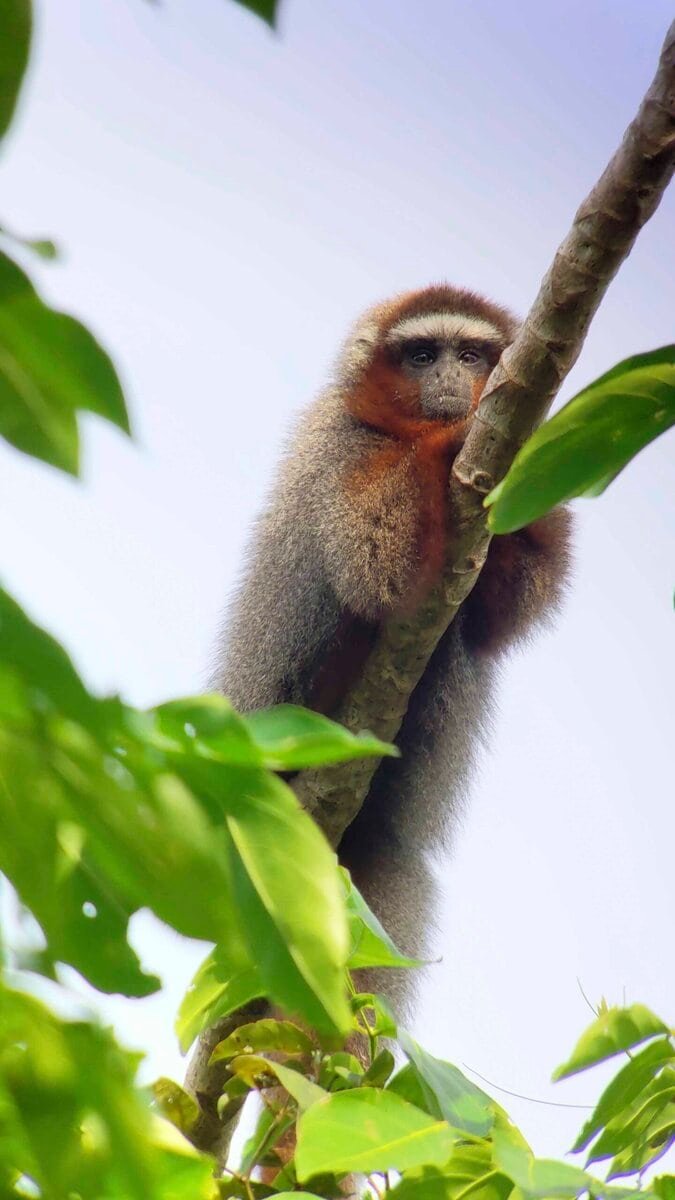
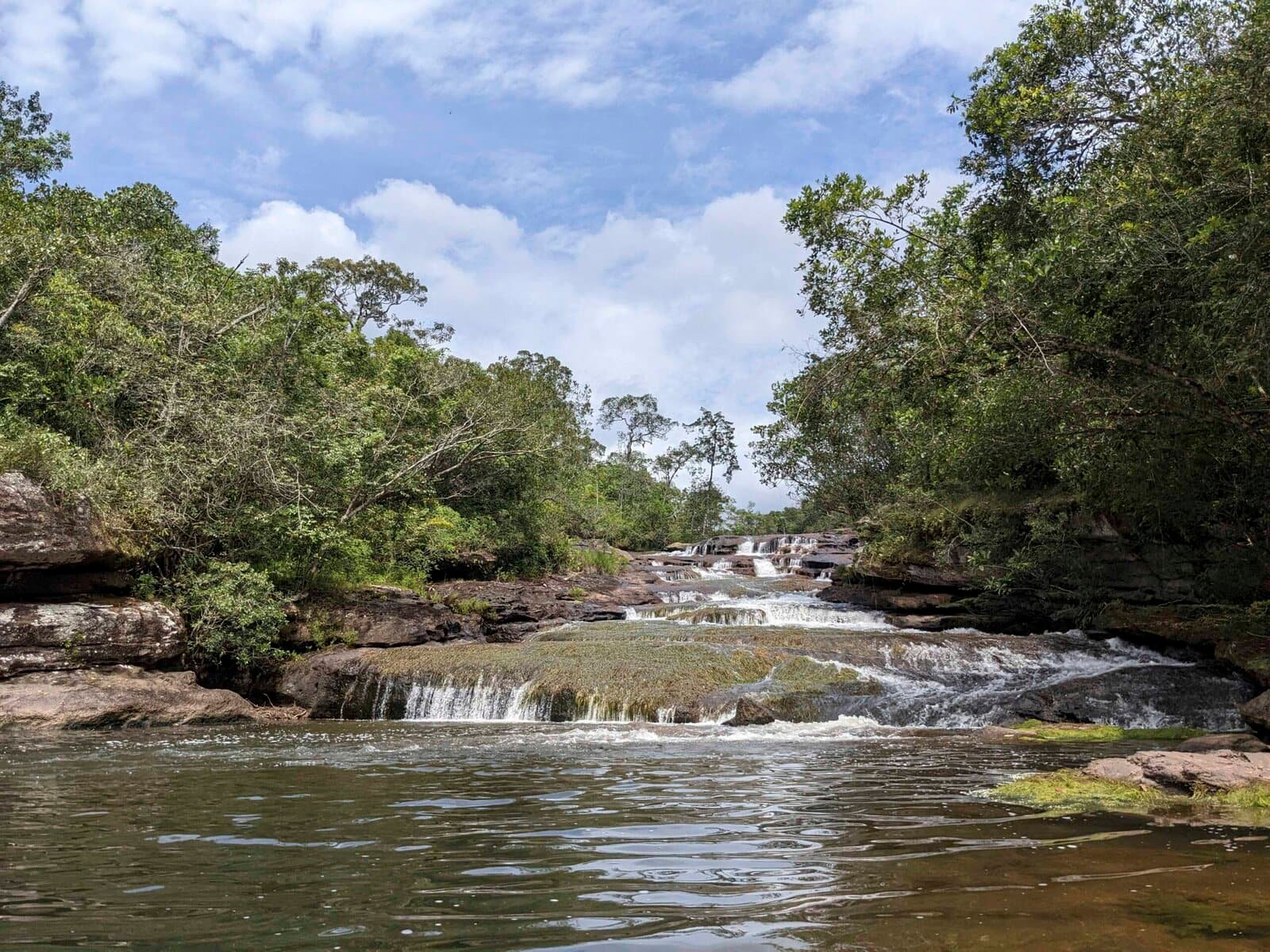
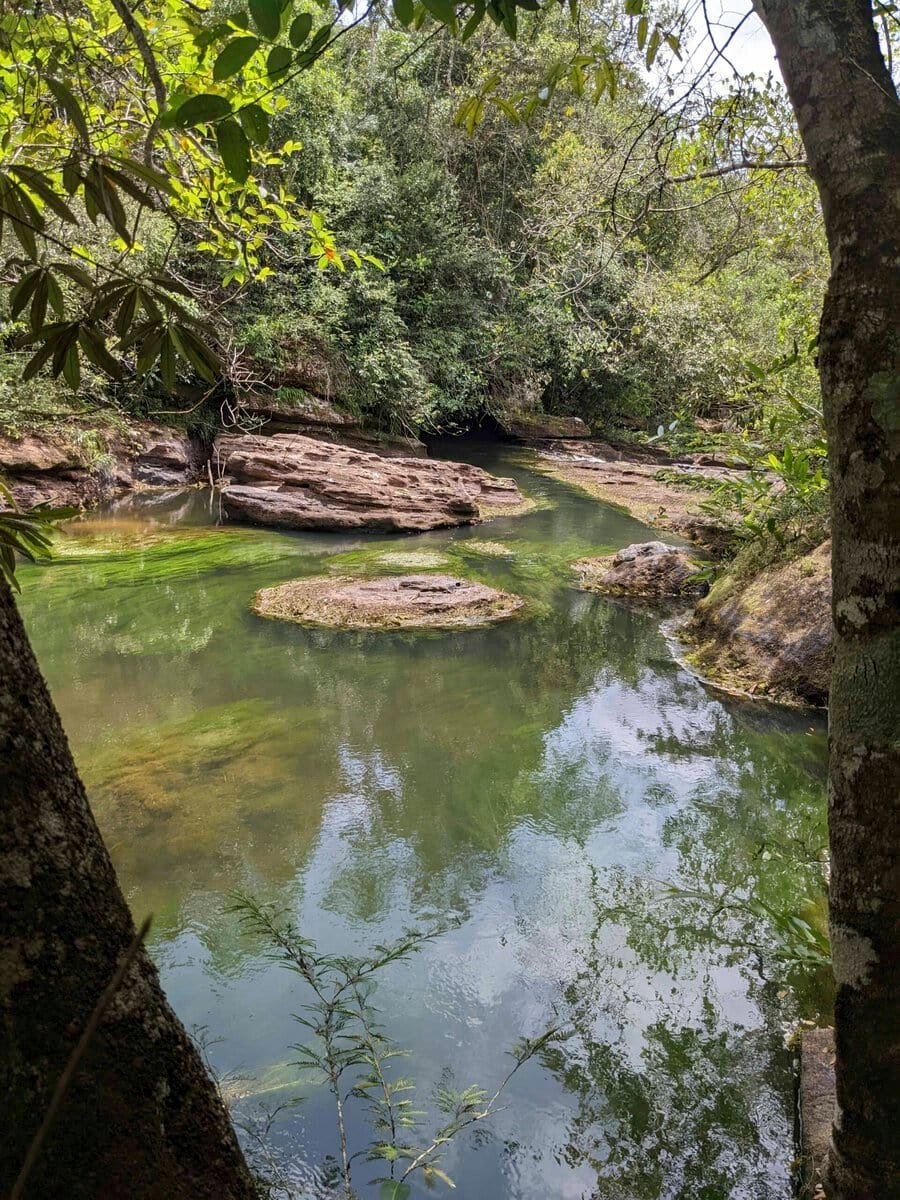
After a successful day and a sense of accomplishment, we set out for the interior of the Serranía de la Macarena to enjoy some of its incredible colorful streams and biodiversity.
We’d like to share a few highlights from our trip with you: